
Understanding Home Inspections in North Carolina
- Dec 6, 2025
- 4 min read
Updated: Feb 7
The Importance of Home Inspections
When we talk about the scope of inspections, we mean the range of areas and systems that a home inspector examines. This is not just a quick look around. It’s a detailed review of the property’s condition, focusing on safety, functionality, and potential issues.
A typical home inspection covers:
Structural components: foundation, walls, roof, and framing.
Systems: electrical, plumbing, heating, ventilation, and air conditioning (HVAC).
Interiors: walls, ceilings, floors, windows, and doors.
Exterior: siding, gutters, drainage, and porches.
Appliances: built-in kitchen and laundry appliances.
The goal is to identify any defects or maintenance needs that could affect the home’s value or your safety. This helps you avoid surprises after closing.
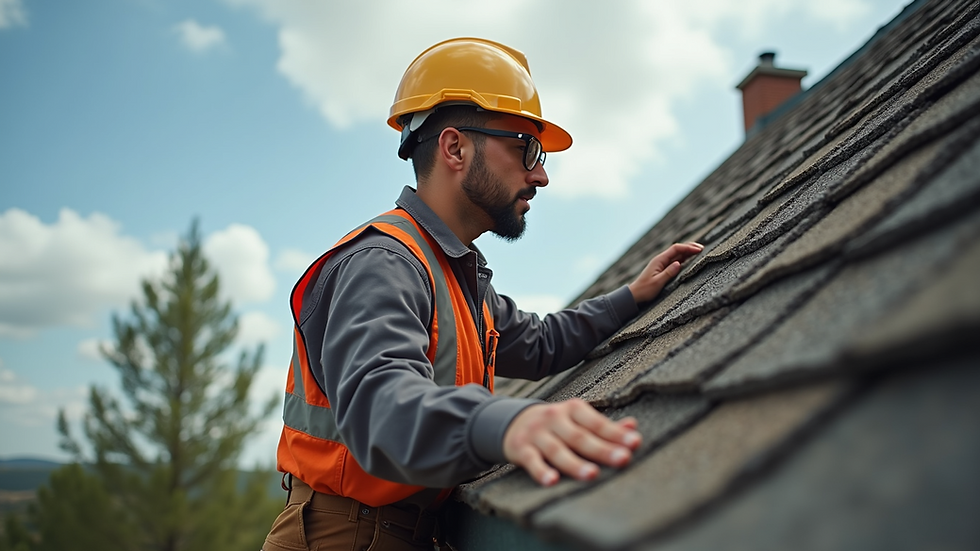
A thorough inspection report will include photos, descriptions, and recommendations. It’s your guide to understanding the true condition of the property.
Why the Scope of Inspections Matters to You
Knowing the scope of inspections helps you set realistic expectations. It also ensures you hire a qualified inspector who covers all critical areas. For example, some inspections might focus only on the roof or the HVAC system. But a full home inspection looks at everything important.
If you’re buying, this knowledge helps you negotiate repairs or price adjustments. If you’re selling, it allows you to fix issues beforehand and market your home with confidence.
In North Carolina, where weather and building styles vary, a comprehensive inspection is especially valuable. It can reveal hidden problems like moisture damage or outdated wiring that might not be obvious at first glance.

To get the best results, consider using professional house inspection services that understand local conditions and standards.
What is the Biggest Red Flag in a Home Inspection?
One of the biggest red flags you can encounter during a home inspection is foundation problems. The foundation supports the entire structure, so any cracks, shifts, or water damage here can lead to serious issues.
Signs of foundation trouble include:
Cracks in walls or floors
Doors and windows that stick or don’t close properly
Uneven or sloping floors
Gaps between walls and ceilings
Foundation repairs can be costly and complicated. If you spot these signs, it’s important to get a specialist’s opinion. Sometimes, the problem is minor and fixable. Other times, it could affect the home’s safety and value significantly.
Other major red flags include:
Electrical hazards like outdated wiring or overloaded circuits
Plumbing leaks that cause water damage or mold
Roof damage that leads to leaks and structural decay
Being aware of these issues helps you prioritize repairs and avoid unexpected expenses.
How Inspections Protect Your Investment
A home is likely the biggest purchase you’ll make. Protecting that investment means knowing exactly what you’re getting. Inspections provide a clear picture of the home’s condition, so you can:
Avoid costly surprises: Catch problems before they become emergencies.
Plan maintenance: Understand what needs attention now and in the future.
Negotiate effectively: Use inspection findings to ask for repairs or price reductions.
Gain peace of mind: Feel confident that your home is safe and sound.
Even if you’re not buying or selling, regular inspections can help you maintain your property. Catching small issues early saves money and stress down the road.
Tips for Choosing the Right Inspection Service
Not all inspections are created equal. Here are some tips to help you find the right professional:
Check credentials: Look for licensed and certified inspectors with good reviews.
Ask about experience: Choose someone familiar with North Carolina homes and common local issues.
Review sample reports: A detailed, easy-to-understand report is essential.
Confirm the scope: Make sure the inspection covers all key areas you care about.
Get recommendations: Ask friends, family, or your real estate agent for trusted inspectors.
A reliable inspection service will answer your questions clearly and provide a thorough report. This is your tool for making informed decisions.
Conclusion
Understanding the scope of inspections is your first step toward a smooth home buying or selling experience. It helps you spot problems early, protect your investment, and feel confident in your property decisions. Whether you’re stepping into the market or maintaining your current home, a professional inspection is a smart move.
If you want to learn more or schedule an inspection, consider trusted house inspection services that specialize in North Carolina homes. They can guide you through the process with clear, timely, and thorough reports tailored to your needs.
Additional Insights on Home Inspections
The Role of Home Inspectors
Home inspectors play a crucial role in the real estate process. They are trained professionals who assess the condition of a home. Their expertise helps buyers and sellers make informed decisions. A good inspector will not only identify issues but also provide recommendations for repairs.
Common Misconceptions About Home Inspections
Many people believe that a home inspection guarantees the home is free of problems. However, this is not the case. Inspections are a snapshot of the home’s condition at a specific time. They can’t predict future issues or guarantee that problems won’t arise later. It’s essential to understand this limitation.
Preparing for a Home Inspection
If you’re selling your home, preparing for an inspection can make a difference. Here are some tips:
Clean and declutter: A tidy home is easier to inspect.
Make repairs: Fix minor issues before the inspection to avoid red flags.
Provide access: Ensure inspectors can access all areas, including attics and crawl spaces.
For buyers, attending the inspection can be beneficial. You can ask questions and gain insights directly from the inspector.
The Cost of Home Inspections
Home inspection costs can vary based on location and the size of the property. In North Carolina, you can expect to pay between $300 to $500 for a standard inspection. While this may seem like an expense, it’s a small price to pay for the peace of mind it provides.
Final Thoughts
In conclusion, understanding the scope of inspections is vital for anyone involved in the real estate market. It empowers you to make informed decisions, whether you are buying, selling, or maintaining a home. Regular inspections can save you money and stress in the long run.
If you’re ready to take the next step, reach out to a trusted house inspection service today. Your home deserves the best care, and a thorough inspection is the first step in protecting your investment.


Comments